Skip to content

Film education

Film, video, sound and photo workshops in the Aude and Occitanie Workshop catalogue

Since 2017, more than 80 workshops with primary and secondary schools, youth and community centres and specialised institutions. Here are our key formats: each one adapts to your group, your time and your place.

Our approach

Participatory video, so that everyone tells their own story

The people being filmed become the ones who film. They choose the subject, pick up the camera and decide what will be shown, and how. This is the principle of participatory video, which Jacob Redman learned with InsightShare, the international organisation that pioneered the method and with which he has worked for more than fifteen years.

We make films for positive change. The people concerned are best placed to speak about what they live: a film made together carries their voice, rebuilds confidence and opens dialogue between generations, neighbourhoods and institutions. It then travels to cinemas, schools and elected officials, wherever it can shift how people see things.

Being a filmmaker in a local area is also a commitment: handing the microphone to those we rarely hear, young people, exiles, people with disabilities, residents of neighbourhoods and villages. Whether the workshop leads to a documentary, a fiction, a podcast or an artistic creation, their perspective guides the film.

Games, empathic listening, talking circles, forum theatre: before filming, we learn to listen to each other. The film grows out of what has been shared.

Unlike a documentary, where the filmmaker chooses how to show people, participatory video lets participants decide how they are represented. The journey made together matters as much as the film.

Discover InsightShare ↗

What participatory video brings

  • It engages

    The camera draws people in: we film from the first hour and see the result straight away.

  • It empowers

    Participants keep control of the project, from choosing the subject to the edit.

  • It clarifies

    Looking for what to film, the group puts words to what matters to them.

  • It amplifies

    The film carries their voice to other audiences, all the way to decision-makers.

  • It brings together

    The group becomes a team, which often keeps acting after the workshop.

Our formats

Theme
Who for
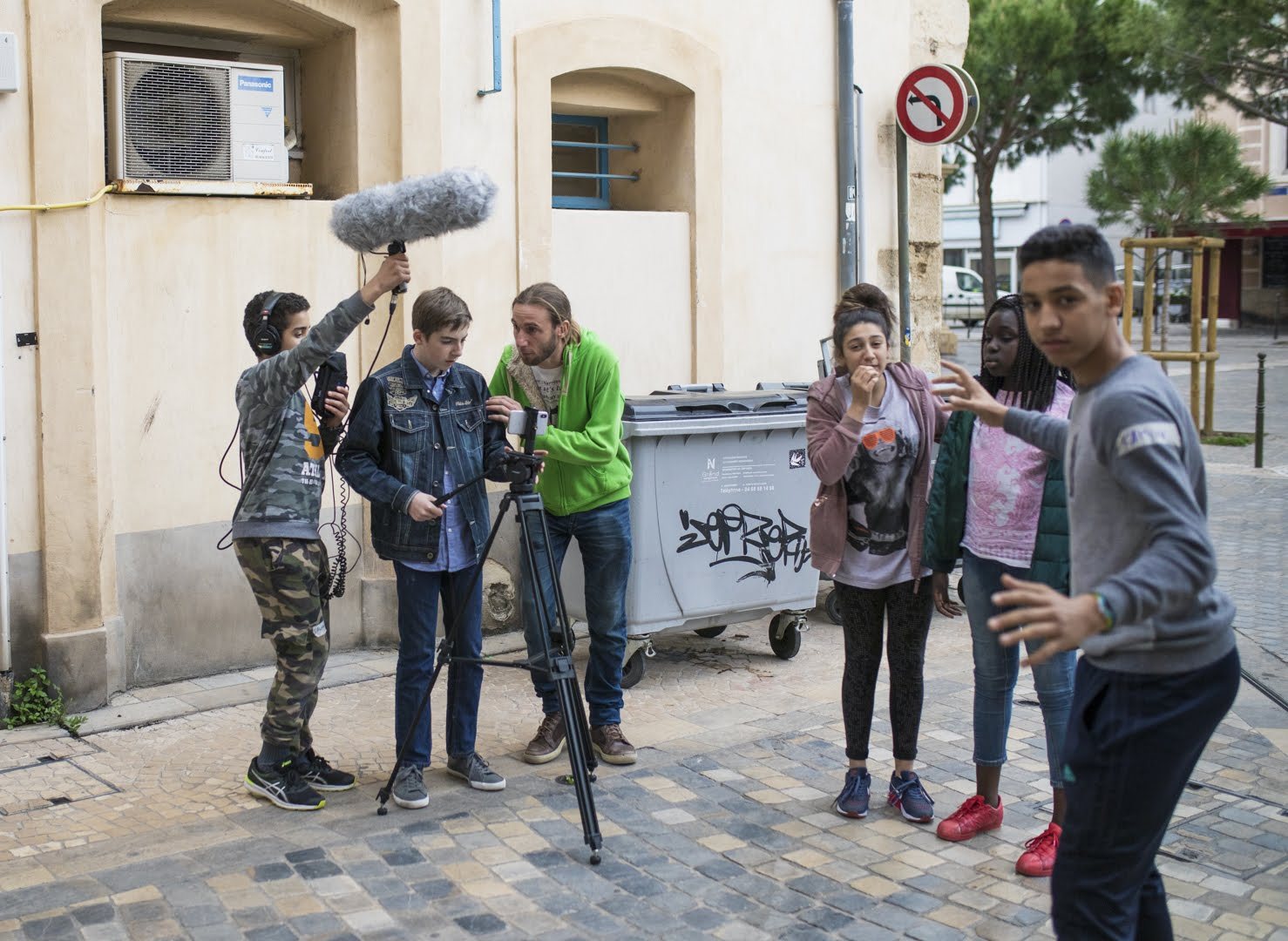
Tournage dans une rue de Narbonne, perche et caméra, avec des jeunes de Passeurs d'images

Passeurs d'images

During the holidays, a dozen young people choose films, write and shoot their own short, then present it in a cinema before a feature film.

Who for
Young people aged 11 to 18, outside school time (youth and community centres)
Format
8 to 9 days during the holidays, then two screenings in a cinema

Sweded films and slapstick

Remaking a cult scene with three bits of cardboard, or filming silent and adding sound effects in the manner of Tati and Gondry.

Who for
From primary school to adults, families, education professionals
Format
Half a day to one week

A film in 48 hours

Two days to write, shoot and edit a short film, from the idea to the screening.

Who for
Film-option high school students, residents of all ages
Format
Two intensive days

Tailored to your project

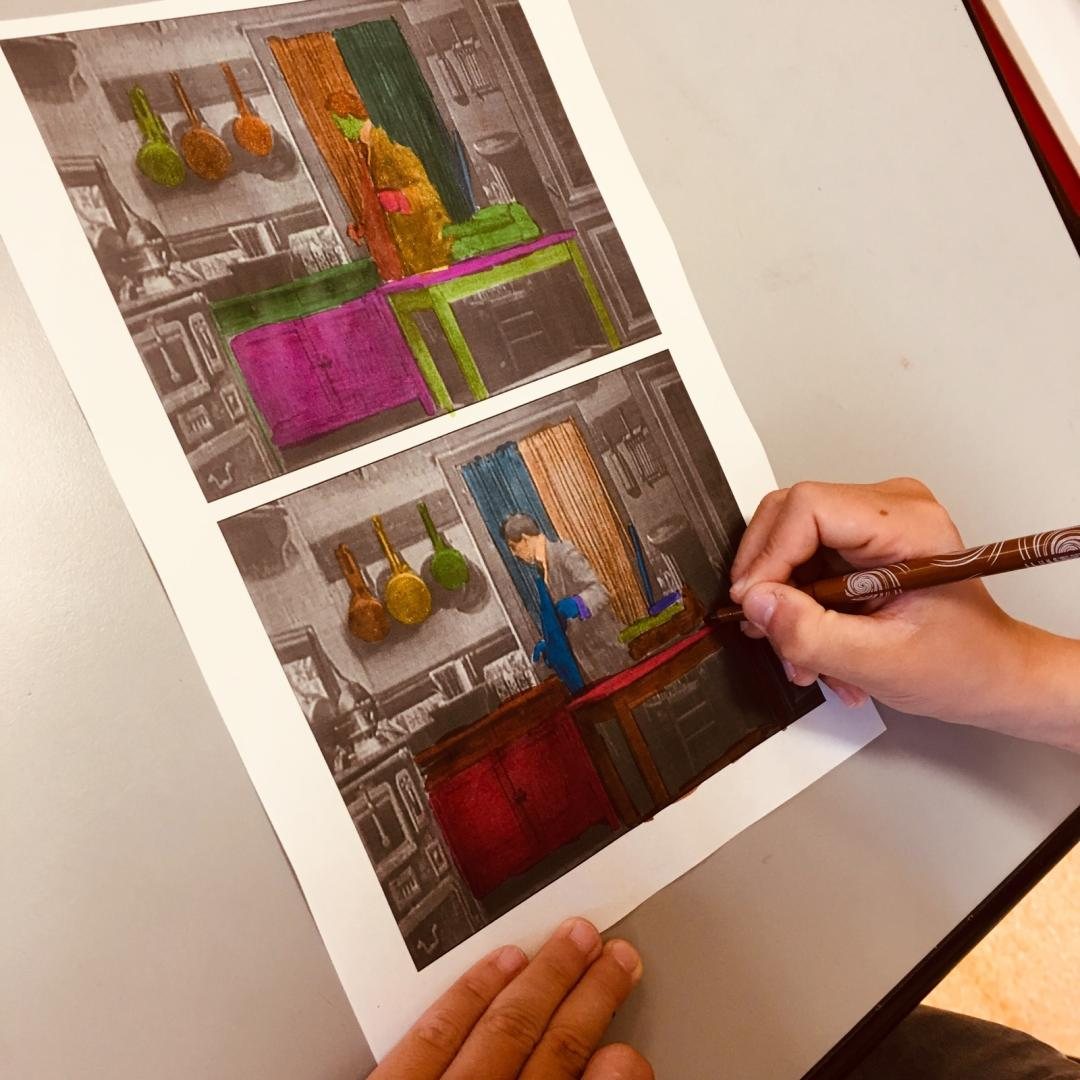
Une main colorie une scène de Vive la vie de garçon imprimée

Gender equality and cinema

Half a day per class to watch films, talk about stereotypes and animate a stop-motion scene together.

Who for
Primary school classes (ages 7 to 11)
Format
Half a day per class, two workshops in half-class groups
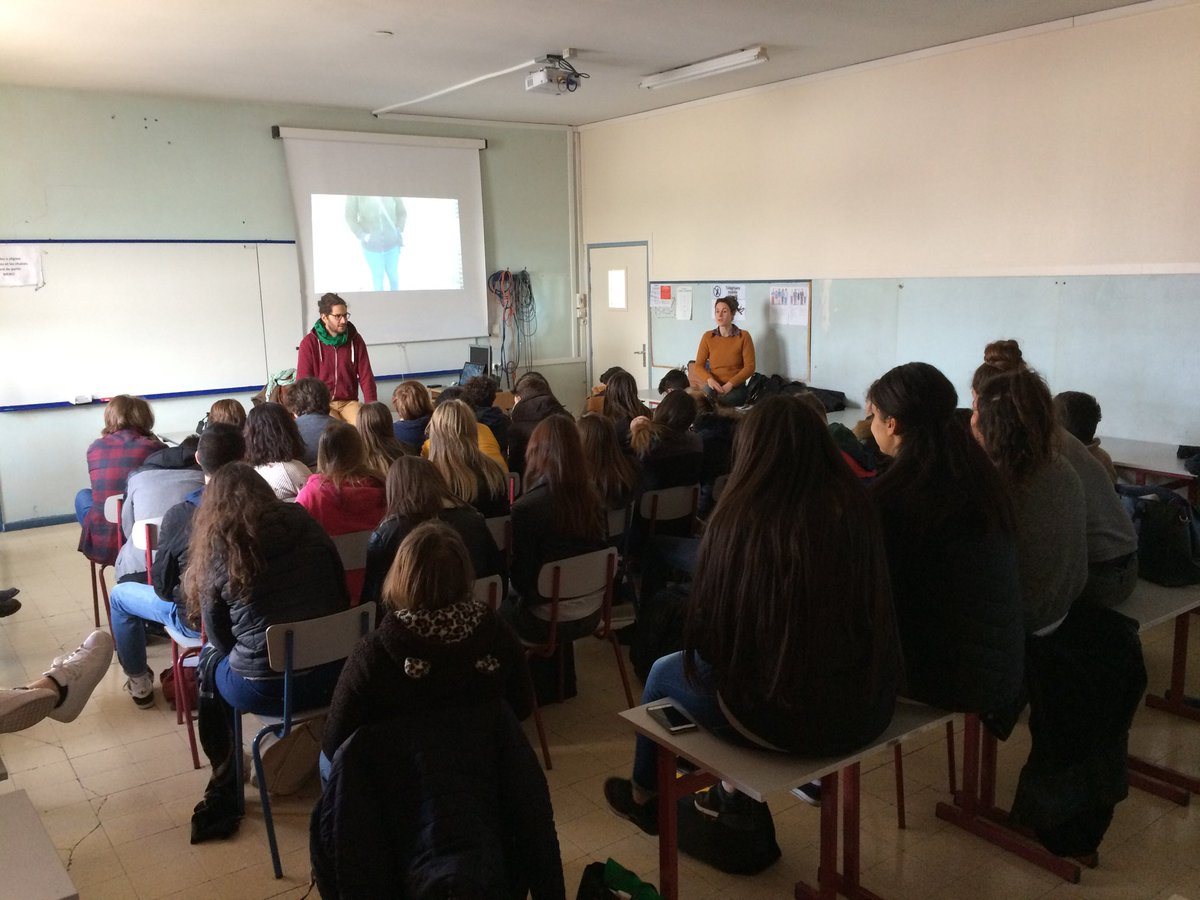
Des lycéens en atelier devant un écran

Discrimination and LGBTQI+ issues

High school students question discrimination linked to gender and sexual orientation, camera in hand, after films and talking circles.

Who for
High school students, residents of a neighbourhood
Format
Five sessions at school, or one week in a neighbourhood

Bullying and social media

Secondary school pupils share in talking circles what they experience online, then turn it into a collective film used to raise awareness in other classes.

Who for
A whole year group; variant with an evening for parents
Format
Four sessions per half-class over a term, or a screening and debate over two and a half days

Fake news and media literacy

Checking a piece of information, tracing its source, then telling it as a podcast.

Who for
Secondary school pupils, school re-engagement groups
Format
Four sessions per class, whole class and half-class
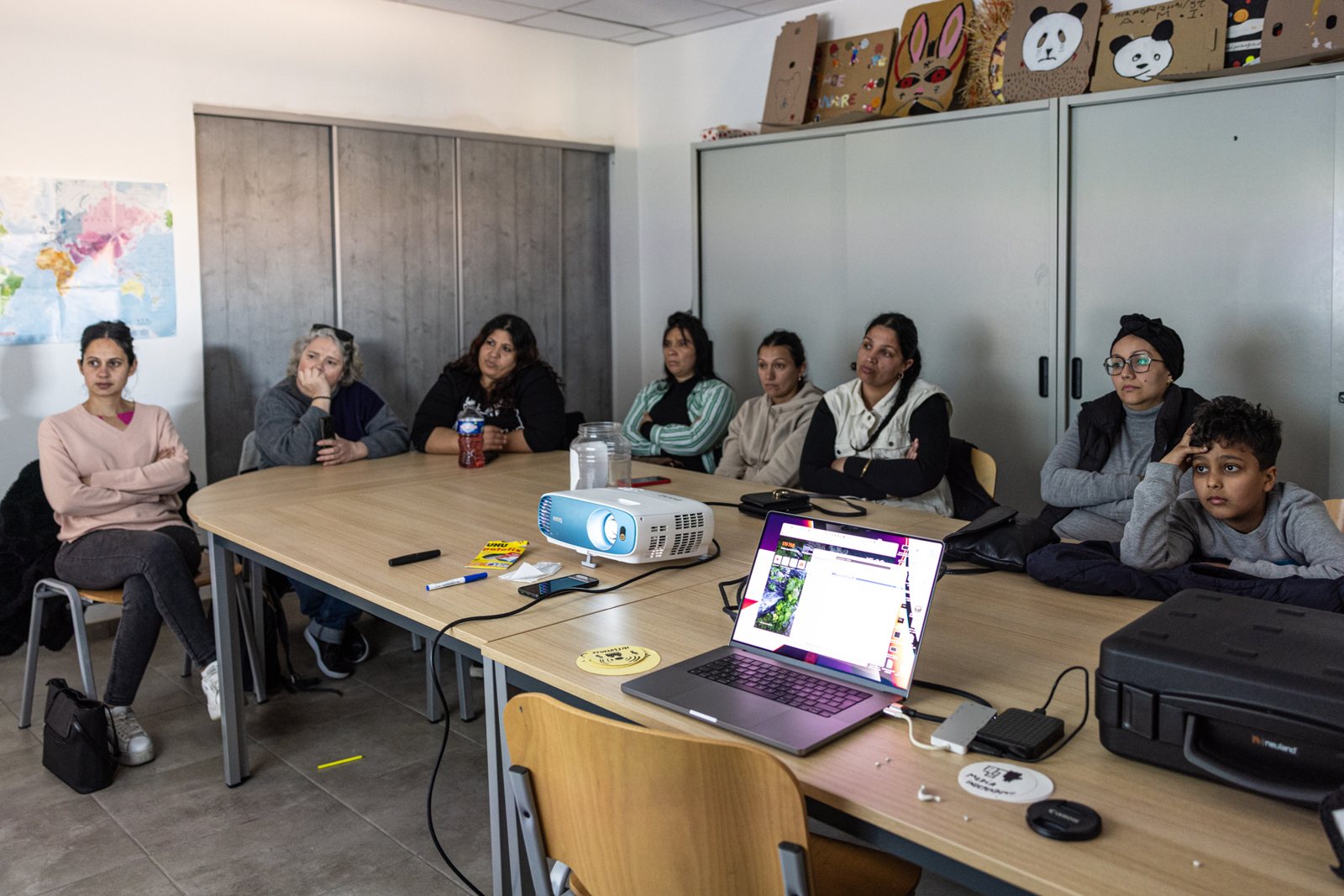
Des parents regardent un film court dans un centre social

Parenting in the digital age

Short films and conversations between parents to help children with screens and social media.

Who for
Parents, community centres
Format
Three to four meetings per centre
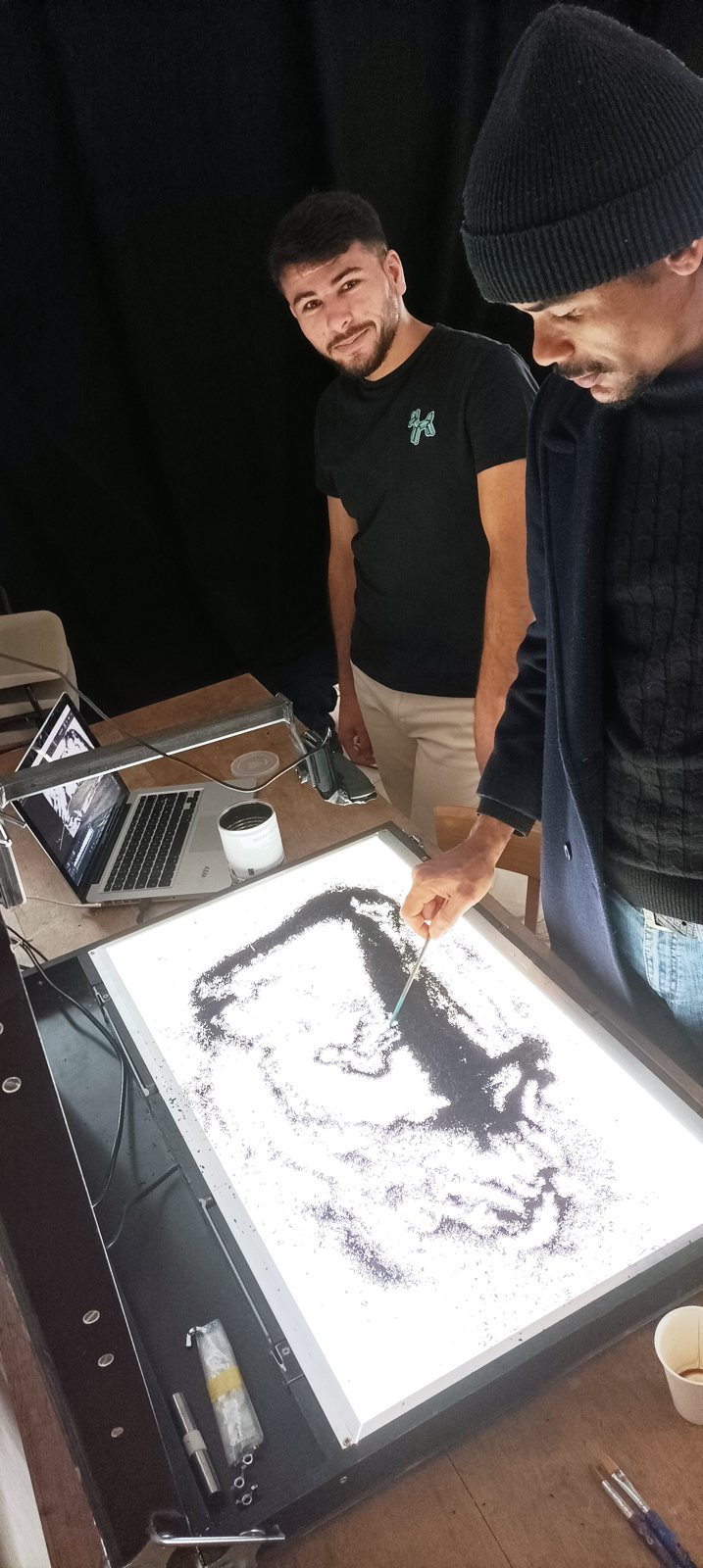
Deux animateurs penchés sur une table lumineuse

Testimonies in animation

Participants tell a moment of their life, record it, then make the images together: the story takes shape without showing faces.

Who for
Adults, young people, intergenerational groups, high school students, care settings
Format
One and a half to five days
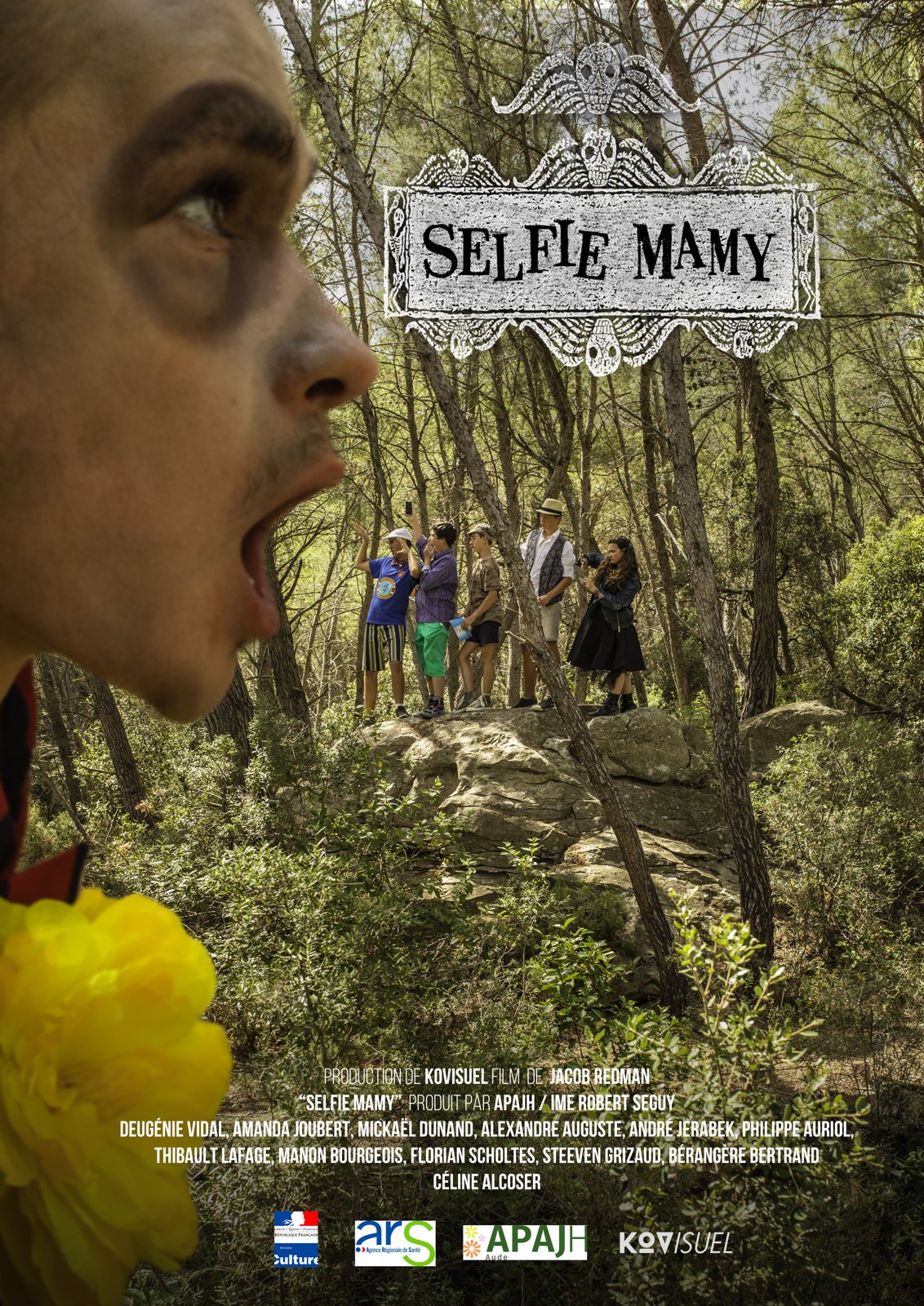
Affiche de Selfie Mamy

Inclusion and disability

Films made with and about people with disabilities, to change the way we look.

Who for
Specialised institutions for young people, youth centres, peer support groups
Format
A few half-days of preparation and three to four days of shooting
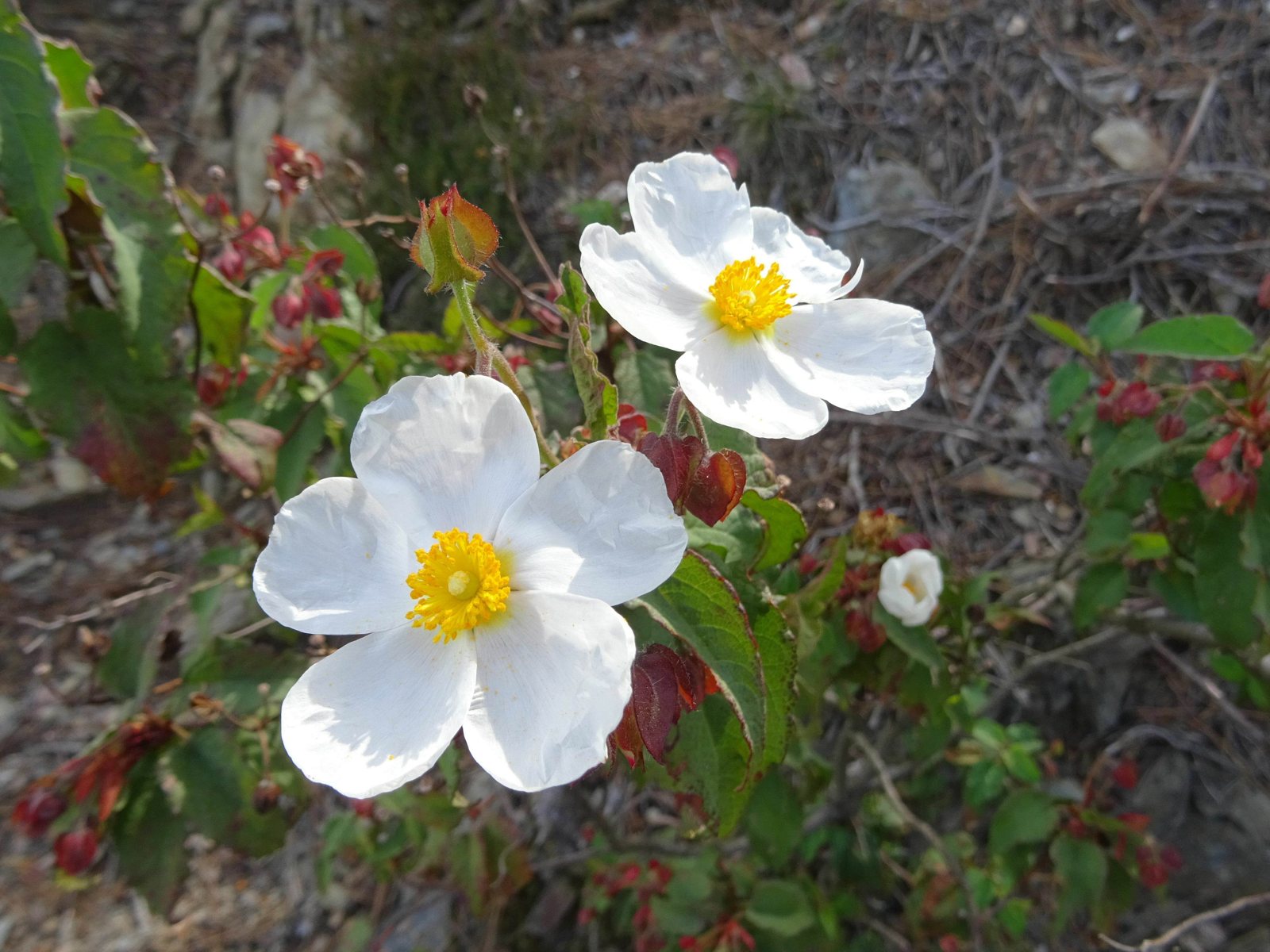
Fleurs de ciste dans les Corbières

Poetic herbarium

Participants give a poem to a plant from their area, record it, then film it with professional equipment.

Who for
Pupils aged 8 to 15, adult groups, mixed groups of adults and children
Format
One and a half to four days, with a director and a sound recordist

Photo and sound, from the neighbourhood to the exhibition

Reading, taking and telling a photo, all the way to the exhibition.

Who for
Secondary school pupils, adults, residents
Format
From two 2-hour workshops to several months of sessions

How we work

  1. We meet

    You tell us about your group, your wishes and your constraints. We suggest a format and a schedule.

  2. We build it together

    The theme, the format and the final showing are decided with you, and often with the participants themselves.

  3. The workshop

    Tools to open up the conversation, then the creative work: everyone tries every role, in front of and behind the camera.

  4. The showing

    A cinema screening, an exhibition, an online release: the participants' work is shown, and it travels.

The projects in detail

Aims, how it ran, tools and outcomes: sixteen workshops told from the inside.

A workshop project?

School, local authority, youth or social organisation: let's talk about your project, we build the workshop with you.

Let's talk about your project